In My Clinical Laboratory Scientist Era: A Retro Wavy Embroidery Design Review
As an embroidery designer with years of hands-on experience, I always approach a new design with a mix of curiosity and caution. In My Clinical Laboratory Scientist Era caught my attention for its unique blend of retro wavy aesthetics and a thoughtful quote that resonates with professionals in the medical field. Before diving into production or client projects, I like to evaluate how well a design translates from digital file to finished product — especially when it's going on items like custom apparel, tote bags, or even baby clothes. Let’s take a closer look at this SVG-based graphics bundle and see if it stands up to real-world use.
First Impressions and Visual Personality
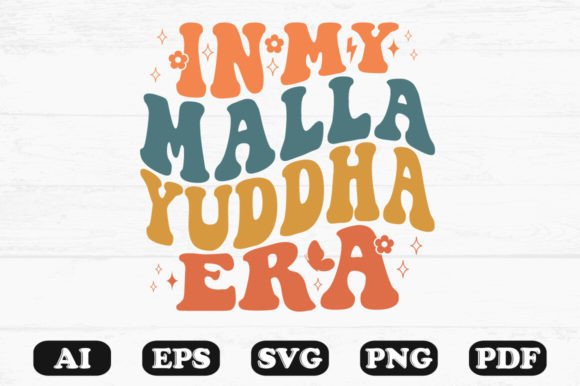
The moment I opened the Retro Wavy SVG files, I felt the nostalgic vibe they promised. The text is styled with soft, undulating curves that give it a vintage feel without being overly kitschy. The theme centers around a profession — clinical laboratory science — which makes it more than just a trendy graphic; it has meaning and depth. That kind of emotional connection is rare in mass-produced designs and can really elevate the handmade product value.
I appreciated the balance between the wave patterns and the readable text. The design doesn’t try to cram too much in one space, which is refreshing. It feels intentional — every curve seems to serve a purpose, whether it’s guiding the eye or enhancing the visual flow. This kind of layout is ideal for sweatshirt embroidery, where you want something bold but not overwhelming.
Real-Life Use Scenarios
Let’s imagine we’re preparing a batch of custom embroidered tote bags for a boutique selling personalized gifts. In My Clinical Laboratory Scientist Era would work beautifully here. The wavy text adds a dynamic element that catches attention from a distance, while the retro aesthetic fits well with the kind of vintage-inspired branding many shops go for today.
If we were to apply this design to a holiday gift, such as a decorative apron or pillow cover, the soft curves could be paired with other embroidery project elements like minimalist icons or subtle color accents. For a commercial embroidery run, the clarity of the letters and the structured nature of the waves are reassuring. They don’t require excessive stitch density, which is important when considering fabric texture and machine capabilities.
Another scenario I considered was using it on a cap or hat. The curved layout adapts well to rounded surfaces, though I’d recommend testing it on a small hoop first to ensure alignment and scale. On a blanket or tea towel, the design could become a focal point, especially if paired with a matching border or additional motifs in complementary thread colors.
Where to Use Carefully
- Small Hoop Sizes: While the overall layout is clean, some of the finer details might get lost if scaled down. If you're planning to use it for a tiny embroidered patch, consider simplifying the design or reducing the number of threads used.
- Textured or Stretchy Fabrics: The wave effect relies on smooth stitching. On a textured canvas or stretchy knit, the lines may appear uneven or distorted. Always test on a sample piece before committing to a full order.
- Dark Fabric Backgrounds: The design includes white and light-colored text by default. When using it on darker fabrics, contrast becomes critical. You might need to adjust the thread colors or add a background fill to make the message stand out.
- Products That Need Frequent Washing: If this design is going on a kitchen towel or gym bag, the stitch density and thread durability will play a big role in longevity. Reinforcing high-use areas with a bit more stabilizer could help maintain quality over time.
Design Performance and Stitch Clarity
One thing I noticed early on is that the design uses a combination of satin stitch and running stitch effectively. The main text is stitched in a tight satin format, ensuring legibility and a polished finish. The wavy accents are done with running stitches, giving them a fluid, almost hand-drawn appearance. This technique helps keep the file manageable in terms of stitch count, which is great for both personal and commercial use.
However, because of the layered nature of the wavy text, some corners and intersections might require extra attention during editing. Depending on your machine and software, these areas could potentially snag or loop if not properly stabilized. I always suggest running a printable mockup before stitching, to check how the design interacts with the chosen fabric and thread colors.
Thread Color Considerations
By default, the design offers a classic color scheme suitable for most light-colored garments. But what if you're working with a dark navy sweatshirt or a forest green tote? In those cases, you’ll want to switch to a contrasting thread palette — maybe black or deep red. I recommend creating a black and white mockup to preview how the design will appear under different lighting conditions and on various backgrounds.
Customer Reactions and Branding Impact
When I showed this design to a group of fellow craft business owners, the response was positive but varied. One Etsy seller loved the idea of offering it as a personalized gift for retiring lab technicians. Another small shop product creator thought it would be perfect for a line of professional-themed nursery decor or baby clothes — subtly nodding to family members’ careers.
From a branding perspective, the design exudes professionalism and a touch of personality. It's not just a pretty graphic; it tells a story. That kind of narrative appeals to customers who appreciate handmade products with a deeper meaning. Whether it's part of a digital product preview or displayed in a craft fair booth, the design has a clear identity that supports brand consistency.
Giftability and Recognition
For anyone running a personalized gift service, this design could be a hit. It’s specific enough to resonate with those in the medical field but still retains a universal charm that makes it easy to market. People often buy gifts that reflect their interests or professions, and In My Clinical Laboratory Scientist Era does that well. It also has strong recognition value — once someone sees it, they remember it, which is a bonus for creative entrepreneurs looking to build repeat customer relationships.
Designer Notes and Practical Tips
Before finalizing any project using this design, I recommend the following steps to ensure the best outcome:
- Test on scrap fabric: Especially if you're planning to embroider on stretchy or thin materials. This will help you spot potential issues with tension or stitch behavior.
- Check thread color contrast: Make sure the text is clearly visible against the fabric. Don’t rely solely on the default settings; customization can make a big difference.
- Review stitch density: Look closely at how the machine handles the wavy parts. Some machines might struggle with dense stitch areas, so adjusting the spacing slightly could improve results.
- Confirm hoop size requirements: If the design comes with recommended sizes, stick to them. Otherwise, start with a medium hoop and adjust based on your test samples.
- Inspect small details: Even minor imperfections can affect the final look. Zoom in on the SVG and ensure all lines and letterforms are crisp and clean.
- Use proper stabilizer: Especially for delicate or washed-out fabrics. The right stabilizer can prevent puckering and enhance stitch definition.
- Check licensing: Since this is a SVG Bundle intended for multiple applications, confirm whether the design allows resale of finished products or distribution of digital embroidery files to clients. Licensing clarity is essential for commercial embroidery projects.
Final Thoughts
In My Clinical Laboratory Scientist Era isn't just another retro wavy design — it brings a sense of pride and nostalgia to the table. As a machine embroidery design, it’s versatile enough for a wide range of projects but still maintains a distinct visual character that sets it apart. Whether you're creating a heartfelt personalized gift or developing a themed collection for your crafts business, this design can add a meaningful touch.
That said, don’t rush into using it on every possible product. Take time to understand how it behaves on your preferred materials and machines. With the right preparation and attention to detail, this embroidery file can become a standout feature in your design assets library — one that customers notice, appreciate, and come back for again and again.